
I know how easy it is to make an ambitious study plan when an exam feels far away. A few weeks later, the chapters seem endless, practice scores may barely move, and even opening a textbook takes effort. When I think about how to stay motivated during exam preparation, I start by making the next study session manageable. I do not need to feel excited about every subject. I need a clear task I can begin today.
The most useful plan combines small goals, a repeatable routine, visible progress, and enough rest to keep going. Here is how to put those pieces together.
Why Does Exam Motivation Disappear?
Motivation often drops when the work feels bigger than the time available. “Study for finals” gives you no starting point or finish line. A difficult practice test can make you feel as though hours of work achieved nothing. Comparing your schedule or scores with someone else’s can make that feeling worse.
Tiredness matters too. If every spare hour becomes a study hour, it is harder to concentrate and easier to resent the work. Before changing your entire routine, identify the immediate problem: Is the task unclear, the material difficult, your schedule unrealistic, or your energy low? Each calls for a different response.
How Can I Start Studying When I Do Not Feel Like It?

Make the first task small enough to begin
I would replace “review biology” with “answer five questions about cell division.” Put the questions, notes, and a timer on your desk before you start. Then commit to five minutes. You can stop after five minutes if you need to; the point is to remove the pressure of a long session. This small start can also help you deal with exam stress by giving you one clear task to focus on instead of the entire syllabus.
Once you begin, choose one useful action: solve a problem, explain a concept without looking at your notes, or check an answer you got wrong. These tasks show you what you know. Repeatedly reading the same page may feel easier, but it can leave you unsure whether you could use the information on an exam.
Give each session a finish line
A study block should end with a completed task, not an arbitrary number of hours. For example: “Complete ten algebra problems and correct the mistakes.” A finish line makes progress easier to see and helps you return to studying tomorrow.
What Study Routine Is Realistic During Exam Season?
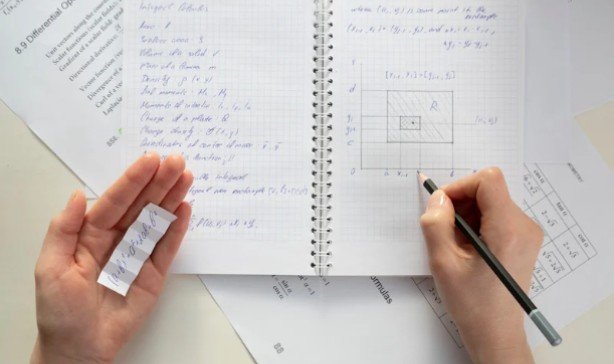
Start with your exam dates and list the topics each test covers. Divide the topics across the weeks available, leaving room to revisit difficult material and take practice tests. For each day, choose a main task and a smaller backup task for when plans change.
A student with classes, a job, or family responsibilities may have less study time than a friend. That does not make their plan less serious. Work with the hours you have. Place demanding subjects when you tend to focus best, and use shorter periods for reviewing flashcards or checking earlier mistakes.
At the end of the week, adjust the plan. If tasks repeatedly carry over, make them smaller or reduce how much you schedule. A routine you can follow consistently is more useful than one that looks impressive on paper.
How Do I Stay Motivated When My Scores Are Not Improving?
Track more than your latest score. Record which topics you practiced, which errors you corrected, and which questions you can now answer without help. A practice test becomes more useful when it tells you what to study next.
Celebrate completed work without treating every session as a judgment of your ability. A walk, a favorite snack, or free time after meeting a specific goal can give you something pleasant to look forward to.
Can Other People Help Me Stay Consistent?

A study partner can help if you agree on a purpose. Learn hard concepts in school, quiz each other, or check whether you completed your planned tasks. Keep the session focused; simply sitting together does not guarantee productive study.
You can also tell a friend, family member, tutor, or teacher where you are stuck. Ask a specific question, such as “Can you help me understand why I missed these three problems?” That makes it easier for someone to offer useful support.
What Should I Do If I Feel Burned Out?
If you are exhausted, distracted, or struggling to retain what you study, adding more hours may make the problem worse. Take regular breaks, protect your sleep, eat meals, and make time for movement and people you care about. A lighter day can help you return with more focus.
If exam stress feels overwhelming or continues to interfere with daily life, reach out to a trusted person or a school counselor. You do not have to manage it alone.
Frequently Asked Questions
1. How can I stay motivated during exam preparation every day?
Make your daily goal specific and achievable, keep a regular study time when possible, and track completed tasks. On a difficult day, do your smaller backup task and restart your usual routine the next day.
2. Should I study for long hours to feel prepared?
Focus on what you can explain, recall, or solve after a session. If long hours leave you too tired to do those things, shorten your sessions and take breaks.
3. What if I fall behind my study schedule?
Review what remains, prioritize topics you find difficult, and create a realistic plan for the time left. Avoid trying to fit every missed task into a single day.
Keep the Next Step Clear
I find how to stay motivated during exam preparation becomes a less daunting question when I stop measuring my commitment by how enthusiastic I feel. I choose one task, complete it, check what I learned, and decide what comes next. Some days that means a full practice session; other days it means a few focused questions and proper rest. Both can help me move forward.
Leave a Reply